
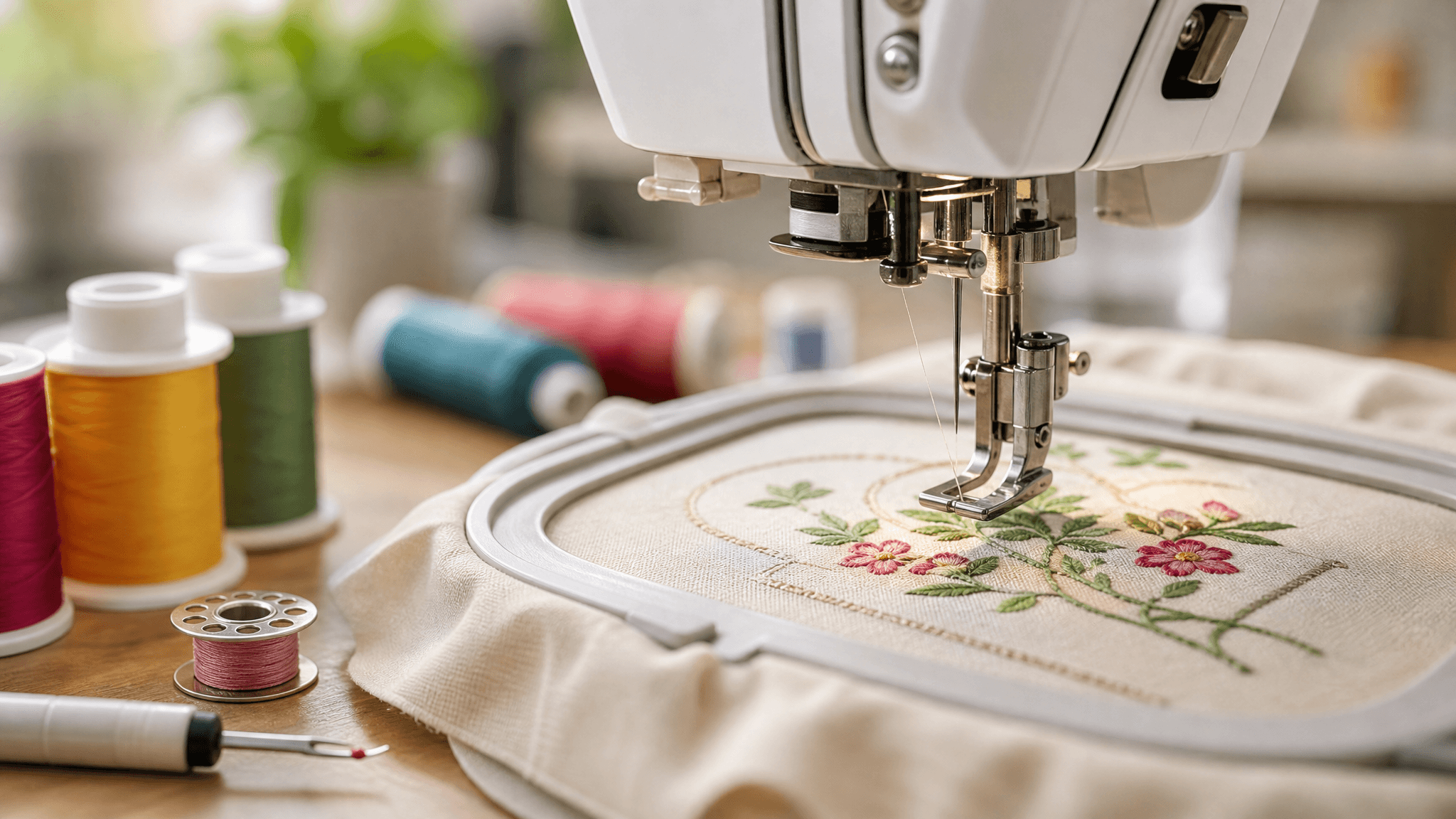
Embroidery thread keeps breaking is a common frustration for beginners, often leading to confusion and unnecessary changes to machine settings or assumptions that the machine is faulty. However, thread breaks usually have straightforward causes that you can diagnose and fix with simple steps. This guide will help you understand why your embroidery thread keeps breaking and how to address the issue practically, so you can enjoy smoother stitching and better results.
Check the Thread Quality and Type
One of the most common reasons embroidery thread keeps breaking is poor thread quality. Cheap or old threads can be brittle, uneven, or have weak spots that snap easily. Always use good-quality embroidery thread from reputable brands designed for machine embroidery. Avoid using regular sewing thread or threads not intended for embroidery, as they may not withstand the tension and speed of your machine.
Also, consider the thread type. Rayon and polyester are popular for embroidery, but they behave differently. Polyester is stronger and more resistant to breakage, while rayon offers a beautiful sheen but can be more delicate. Choose the thread type that suits your project and machine capabilities.
Inspect the Needle for Damage or Incorrect Size
A damaged or dull needle can cause thread to snag and break frequently. Check your needle for burrs, bends, or bluntness and replace it regularly. Using the correct needle size and type for your fabric and thread is also critical. For example, a needle that is too small may cut the thread, while one that is too large can create oversized holes and tension issues.
Embroidery needles typically have a larger eye to accommodate specialty threads. Make sure you are using needles labeled for embroidery rather than general sewing needles.
Examine Thread Path and Tension Settings
Thread tension that is too tight is a frequent culprit when embroidery thread keeps breaking. However, before adjusting tension, inspect the entire thread path for any rough spots or obstructions. Check thread guides, tension discs, and the take-up lever for burrs or lint buildup that could abrade the thread.
Clean your machine regularly to remove lint and dust, which can interfere with smooth thread movement. If your machine has adjustable tension, make small incremental changes rather than large adjustments. Often, thread breaks are caused by a combination of tension and thread path issues rather than tension alone.
Use the Right Stabilizer and Hoop Your Fabric Properly
Improper stabilizing or hooping can cause fabric to shift or pucker, increasing thread breakage. Choose a stabilizer suitable for your fabric type and design complexity. For example, lightweight fabrics need a lighter stabilizer, while dense designs require a stronger one.
Make sure your fabric is hooped tightly and evenly without stretching. Loose or uneven hooping can cause the needle to hit fabric folds or create excess tension on the thread, leading to breaks.
Thread Your Machine Correctly
Incorrect threading is a surprisingly common cause of thread breaks. Follow your machine’s manual carefully when threading the upper thread and bobbin. Ensure the thread passes through all guides, tension discs, and the needle eye properly.
Sometimes, the thread can catch on a rough spot or not seat properly in the tension discs, causing uneven tension and breakage. Re-threading the machine slowly and deliberately can often resolve these issues.
Check Bobbin Thread and Bobbin Case
Don’t overlook the bobbin thread and bobbin case when troubleshooting thread breaks. Use good-quality bobbin thread that matches the upper thread type and weight. Ensure the bobbin is wound evenly and not too tight or loose.
Inspect the bobbin case for damage or lint buildup. A damaged bobbin case or one with rough edges can snag the thread and cause breakage. Clean the bobbin area regularly and replace the bobbin case if necessary.
Maintain Your Machine Regularly
Regular maintenance is key to preventing thread breaks. Clean lint and dust from the machine, oil moving parts as recommended by the manufacturer, and replace needles frequently. A well-maintained machine runs smoothly and reduces the risk of thread-related issues.
If you’ve checked all the above and still experience frequent thread breaks, consider having your machine serviced by a professional technician to ensure internal components are functioning correctly.